Grounding Gemini in the Additive Database
How I moved the AI layer from free-form answers to source-grounded explanations that cite the additive database on every response.
The problem
Last month's pipeline worked, but the AI explanations occasionally drifted — confident wording without a clear tie back to the evidence the deterministic rules produced. For a project about helping shoppers understand ingredients, that is exactly the failure mode I cannot ship.
This month I focused on grounding: making sure every AI-generated sentence points back to a row in the additive database or to a rule that fired on the scanned product.
What I built
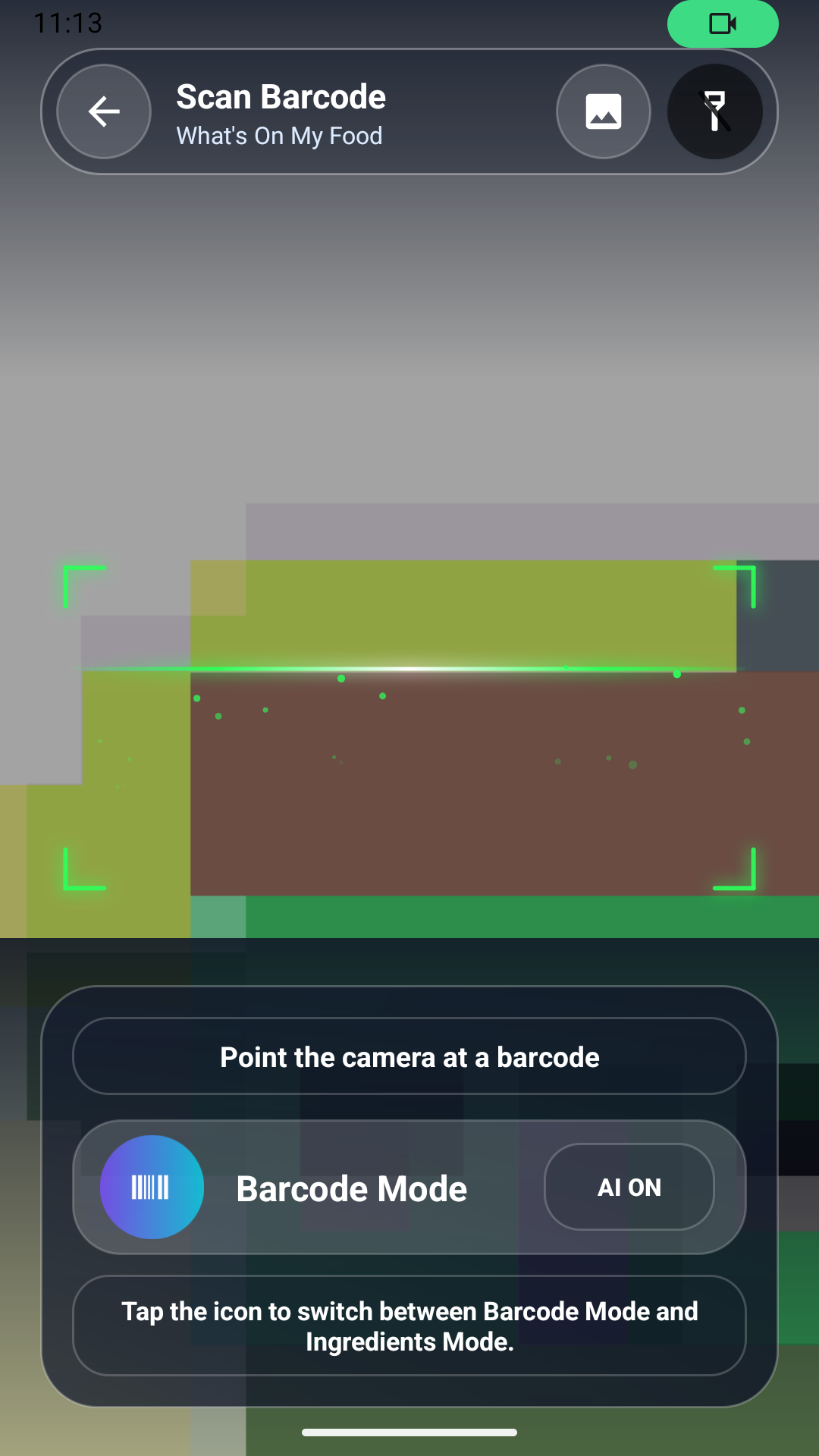
I restructured the prompt into a strict evidence-in / citations-out contract. The Node.js backend now assembles a compact evidence packet — matched additives, sugar and sodium thresholds that tripped, allergen flags — and Gemini is instructed to answer only from that packet and cite each claim by additive name.
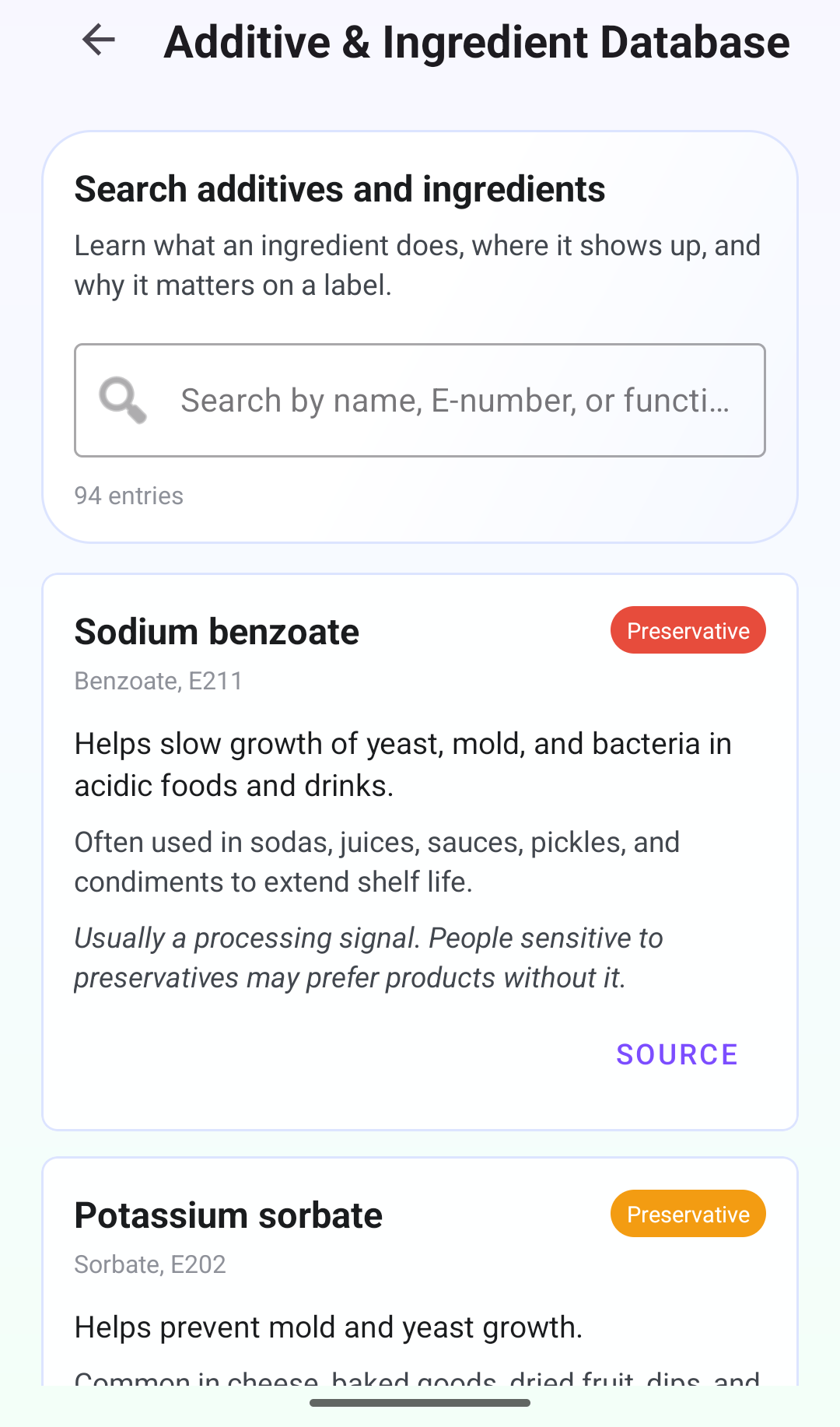
On the client, the Additive & Ingredient Database screen became the source of truth users can tap into. Every citation in an explanation deep-links to the corresponding entry, so the UI itself reinforces the grounding rather than hiding it.
I also added a rules-only fallback path: if Gemini is unavailable or returns an ungrounded response, the app renders the deterministic summary instead of guessing.
Retrospective
What went right: response quality is noticeably steadier, and the citation contract makes regressions easy to spot in review.
What went wrong: prompt iteration ate more time than I planned, and I had to rebuild a few evidence-packet shapes before landing on one the model handled reliably.
How I will improve: I am adding a small evaluation harness next month so I can compare prompt changes against a fixed set of scans instead of eyeballing them.